Wim Hof Breathing: Energize Your Body and Mind
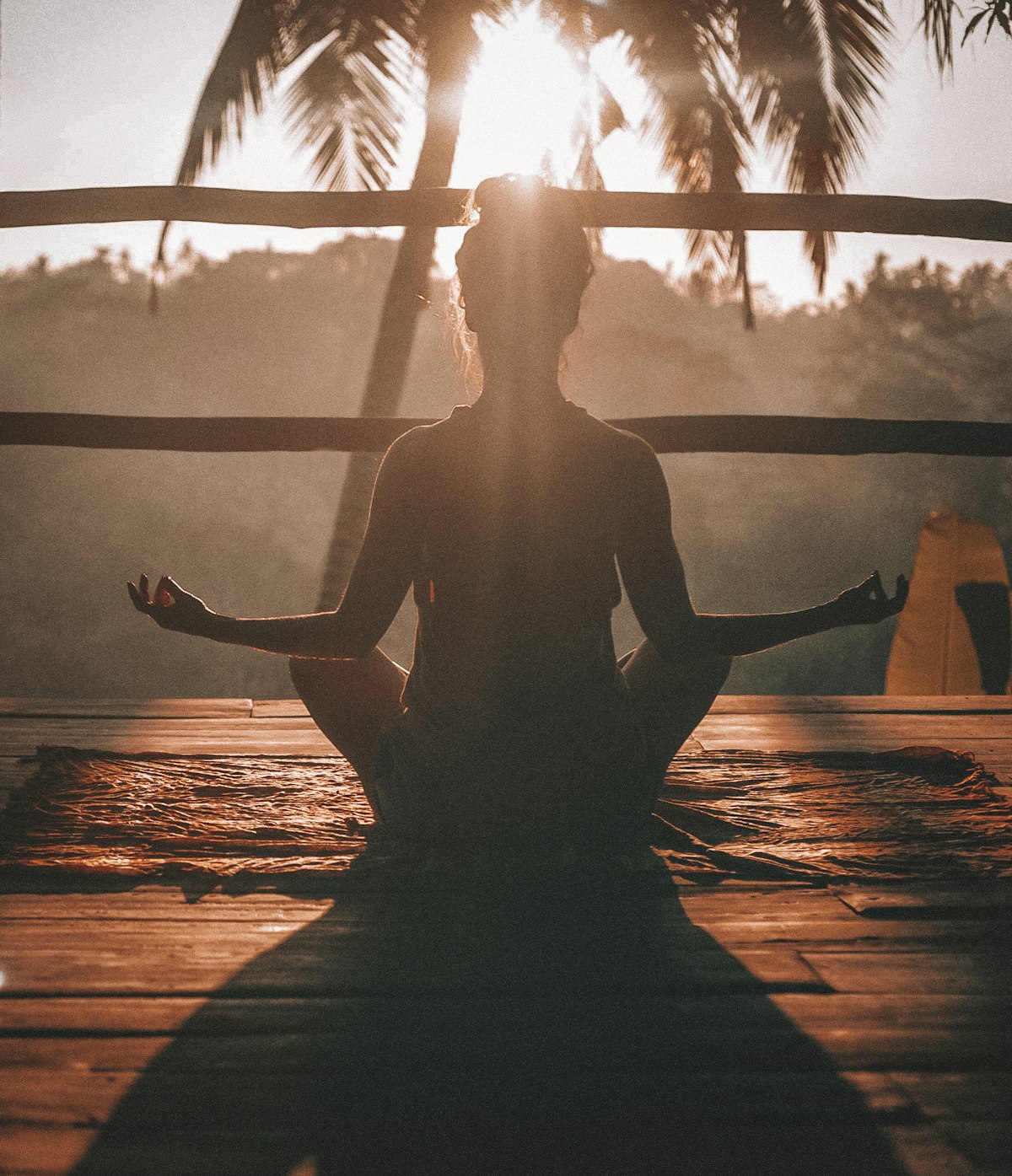
Wim Hof — "The Iceman" — made headlines by climbing Mount Everest in shorts, running a half marathon barefoot in Arctic snow, and sitting in ice baths for nearly two hours. His secret? A breathing method that he claims can give anyone superhuman control over their body.
While you probably won't be climbing Everest anytime soon, the Wim Hof breathing method has real, peer-reviewed science behind it — and it can boost your energy, reduce stress, and strengthen your immune system in just 15 minutes a day.
What Is the Wim Hof Method?
The Wim Hof Method consists of three pillars: breathing, cold exposure, and commitment. The breathing component is the foundation — a controlled hyperventilation technique followed by breath retention that produces measurable changes in your body chemistry.
Unlike calming techniques like 4-7-8 breathing or box breathing, Wim Hof breathing is activating. It floods your body with oxygen, temporarily shifts your blood pH, and triggers an adrenaline response that leaves you feeling energized and alert.
The Science Behind It
A landmark 2014 study published in the Proceedings of the National Academy of Sciences showed that people trained in the Wim Hof Method could voluntarily influence their immune response — something previously thought impossible. Key findings include:
- Voluntary immune control: Trained participants showed increased adrenaline levels and reduced inflammatory response when exposed to bacterial toxins
- Reduced inflammation: The technique decreased production of inflammatory cytokines by up to 50%
- Adrenaline release: The breathing alone produced adrenaline levels comparable to someone bungee jumping for the first time
- Alkaline blood pH: The rapid breathing temporarily increases blood pH, creating a state of respiratory alkalosis
How to Practice Wim Hof Breathing
Step 1: Get Comfortable
Lie down or sit in a comfortable position. Make sure you're in a safe environment. Have a timer nearby.
Step 2: 30-40 Power Breaths
Take 30-40 deep, rhythmic breaths. Inhale fully through the nose (or mouth), filling your belly and chest. Exhale passively — just let the air fall out naturally. Don't force the exhale.
Find a rhythm that feels like controlled, powerful breathing. You may feel tingling in your hands and feet, or lightheadedness. This is normal.
Step 3: The Retention (Breath Hold)
After the last exhale, stop breathing. Hold with empty lungs for as long as you comfortably can. Don't force it — the goal is a relaxed hold, not a struggle.
Beginners typically hold for 1-2 minutes. With practice, 2-3+ minutes becomes achievable.
Step 4: Recovery Breath
When you feel the urge to breathe, inhale deeply and hold for 15 seconds. Then exhale and relax. This completes one round.
Step 5: Repeat
Complete 3-4 rounds total. Most sessions take 10-15 minutes. You'll likely notice that your retention time increases with each round.
Benefits of Wim Hof Breathing
Immediate Effects (During/After Practice)
- Surge of energy and alertness
- Tingling sensations throughout the body
- Euphoric or meditative feeling
- Reduced stress and mental clarity
Long-Term Benefits (With Regular Practice)
- Stronger immune system: Reduced inflammatory markers and better immune response
- Stress resilience: Better autonomic nervous system control
- Improved athletic performance: Better oxygen efficiency and recovery
- Enhanced focus: Greater mental clarity and concentration
- Cold tolerance: Increased ability to handle cold exposure
Wim Hof vs. Other Breathing Techniques
- Wim Hof: Energizing, activating. Best for morning practice, pre-workout, immune boost
- Box Breathing: Calming with alertness. Best for focus, stress management, pre-performance
- 4-7-8 Breathing: Sedating, deeply calming. Best for sleep and anxiety relief
When to Practice
The Wim Hof method is best practiced:
- Morning: Sets an energized tone for the day
- Before exercise: Primes your body for performance
- Before cold exposure: Prepares your body for cold showers or ice baths
Avoid practicing right before bed — the energizing effect can interfere with sleep. For sleep, try 4-7-8 breathing instead.
Who Should Avoid Wim Hof Breathing?
Consult your doctor before practicing if you:
- Have epilepsy or a seizure disorder
- Are pregnant
- Have cardiovascular issues or high blood pressure
- Have a history of fainting or panic attacks
Practice Wim Hof with Guided Timing
Breathe includes the Wim Hof technique with animated visual guides, cycle counters, and retention timers — so you can focus on the breathwork, not the clock.
Try Breathe Free for 3 DaysThe Bottom Line
The Wim Hof breathing method is one of the most powerful breathing techniques available — backed by real science and practiced by hundreds of thousands of people worldwide. It's energizing rather than calming, making it the perfect complement to gentler techniques like 4-7-8 and box breathing.
Start with 3 rounds tomorrow morning. Within a week, you'll understand why people call it a natural high.