Box Breathing: The Navy SEAL Technique for Calm and Focus
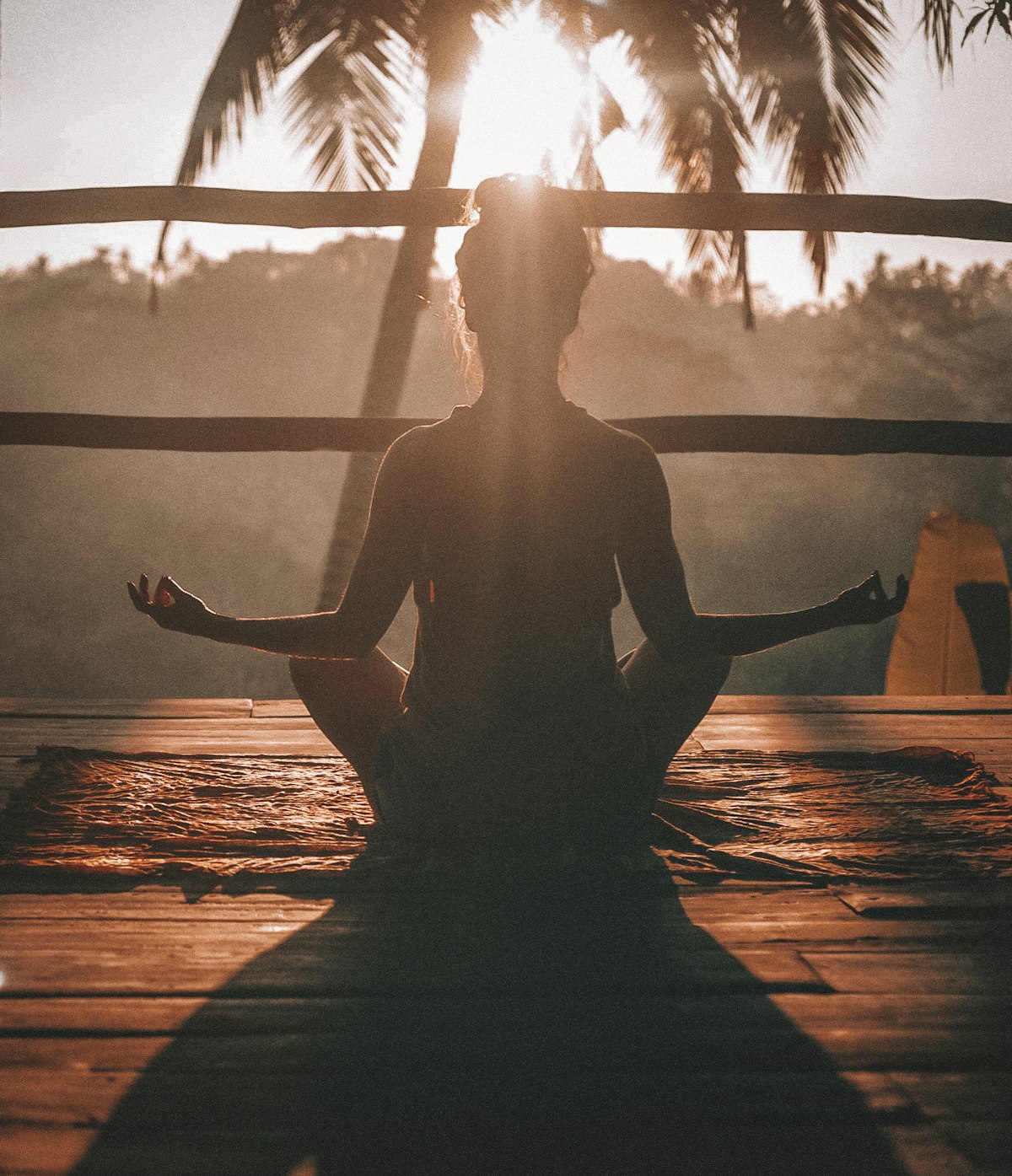
When Navy SEALs need to stay calm in high-pressure situations, they turn to a simple but powerful technique: box breathing. Also known as square breathing or 4-4-4-4 breathing, this method has been adopted by elite athletes, first responders, surgeons, and anyone who needs to perform under pressure.
The best part? It takes less than 5 minutes to learn and can be practiced anywhere — at your desk, before a presentation, during a stressful commute, or before sleep.
What Is Box Breathing?
Box breathing is a deep breathing technique where you breathe in four equal parts, creating a "box" pattern:
Each side of the "box" is 4 seconds, making one complete cycle 16 seconds. Most people practice 4-6 cycles, which takes about 1-2 minutes.
The Science Behind Box Breathing
Box breathing works by activating your parasympathetic nervous system — the "rest and digest" mode that counteracts the stress response. Here's what happens in your body:
- Slows heart rate: The controlled breathing pattern signals safety to your brain, reducing heart rate and blood pressure
- Reduces cortisol: Extended exhales and breath holds lower stress hormone levels
- Increases focus: The counting aspect gives your mind a single point of focus, breaking anxious thought loops
- Improves oxygen exchange: Slow, deep breaths allow for better oxygen uptake and CO2 release
- Activates the vagus nerve: This key nerve regulates your stress response and is stimulated by controlled breathing
How to Practice Box Breathing
Follow these steps for a proper box breathing session:
Step 1: Get Comfortable
Sit upright in a comfortable position with your feet flat on the floor. You can also lie down if you prefer. Close your eyes or soften your gaze.
Step 2: Exhale Completely
Before you begin, exhale all the air from your lungs. This ensures you start with a full, deep inhale.
Step 3: Inhale (4 seconds)
Breathe in slowly through your nose for 4 seconds. Focus on filling your belly first (diaphragmatic breathing), then your chest. Count steadily: 1... 2... 3... 4.
Step 4: Hold (4 seconds)
Hold your breath for 4 seconds. Stay relaxed — don't clench your throat or tense your body. The hold should feel natural, not strained.
Step 5: Exhale (4 seconds)
Exhale slowly through your mouth for 4 seconds. Empty your lungs completely. Some people prefer exhaling through the nose — do what feels natural.
Step 6: Hold (4 seconds)
With empty lungs, hold for 4 seconds before beginning the next inhale. This pause is key to the technique's calming effect.
Step 7: Repeat
Complete 4-6 cycles, or continue for 5 minutes. Even a single cycle can help in acute stress moments.
When to Use Box Breathing
Box breathing is versatile and can help in many situations:
- Before stressful events: Presentations, interviews, difficult conversations, exams
- During anxiety: When you feel panic rising or racing thoughts taking over
- To improve focus: Before starting deep work or creative tasks
- For better sleep: As part of your bedtime routine to calm the mind
- After intense exercise: To help your body recover and return to baseline
- During breaks: A 2-minute reset during a busy workday
Box Breathing vs. Other Techniques
How does box breathing compare to other popular breathing methods?
Box Breathing vs. 4-7-8 Breathing
The 4-7-8 technique has a longer exhale (8 seconds) and hold (7 seconds), making it more sedating. It's better for sleep, while box breathing is better for alert calmness and focus.
Box Breathing vs. Wim Hof
Wim Hof breathing is more energizing and intense, involving rapid breathing followed by breath retention. Box breathing is gentler and more suitable for everyday stress management.
Common Mistakes to Avoid
- Breathing too fast: Rushing defeats the purpose. Use a timer or counting app if needed
- Shallow breathing: Make sure you're breathing deeply into your belly, not just your chest
- Tensing up during holds: Stay relaxed throughout — tension increases stress
- Expecting instant results: Like any skill, box breathing gets more effective with practice
How Long Until It Works?
Most people feel calmer after just one or two cycles. However, the long-term benefits — better stress resilience, improved focus, lower baseline anxiety — develop over weeks of regular practice.
For best results, practice box breathing for 5 minutes daily, even when you're not stressed. This trains your nervous system to activate the relaxation response more easily when you need it.
Practice Box Breathing with Visual Guides
Breathe includes animated visual guides for box breathing and 4 other techniques — making it easy to practice the perfect rhythm every time.
Try Breathe Free for 3 DaysThe Bottom Line
Box breathing is one of the simplest and most effective tools for managing stress and improving focus. It's used by elite performers around the world because it works — and because it can be done anywhere, anytime, without any equipment.
Start with just one minute a day. Within a week, you'll notice a difference in how you handle stressful situations.