Morning Meditation Routine for Beginners: A 10-Minute Guide
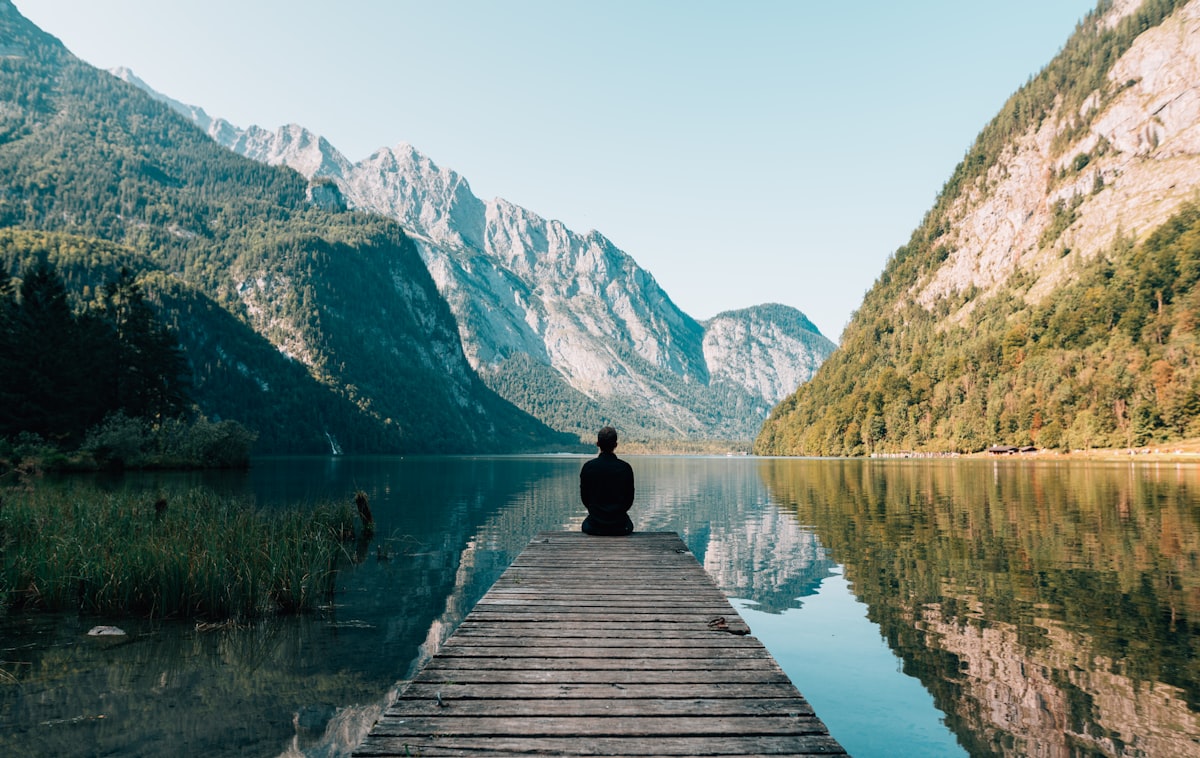
How you start your morning shapes your entire day. Instead of reaching for your phone and immediately flooding your brain with notifications, emails, and news, what if you gave yourself 10 minutes of calm first?
A morning meditation practice is one of the highest-leverage habits you can build. It takes minimal time but produces outsized results: less reactivity, better focus, improved mood, and a greater sense of control over your day.
Here's a simple 10-minute morning routine anyone can follow — even if you've never meditated before.
The 10-Minute Morning Routine
Arrive
Sit on the edge of your bed or in a comfortable chair. Close your eyes. Take 3 slow, deep breaths — inhale through the nose, exhale through the mouth. Don't try to control anything. Just notice that you're here, alive, starting a new day.
Body Scan
Slowly move your attention from the top of your head down to your toes. Notice where you feel tension — jaw, shoulders, back. Don't try to fix anything. Just observe. With each exhale, let those areas soften naturally. This wakes up your body-mind connection.
Breath Focus
Let your breathing return to its natural rhythm. Focus your attention on the sensation of breathing — the rise and fall of your belly, the air passing through your nostrils. Count each exhale from 1 to 10, then start over.
Your mind will wander. That's not failure — it's the practice. Every time you notice your mind has drifted and bring it back, you're strengthening your attention muscle.
Gratitude
Think of 3 things you're grateful for. They can be big (your health, a relationship) or small (a good cup of coffee, sunlight through the window). Don't just list them — actually feel the warmth of appreciation. This shifts your brain from threat-scanning to positive processing.
Intention Setting
Set a single intention for the day. Not a to-do list item, but a quality you want to embody: "Today I will be patient." "Today I will be present." "Today I will be kind to myself." Take 3 final deep breaths, and gently open your eyes.
Why Mornings Matter
Research shows that willpower and focus are highest in the morning. By meditating before you check your phone, you're:
- Training your default response: Instead of starting the day reactive, you start proactive
- Building the habit when it's easiest: Morning routines stick better because they have a clear trigger (waking up)
- Setting the emotional tone: Calm, clear, and intentional rather than scattered and rushed
- Protecting the habit: Morning meditation can't be crowded out by evening obligations
Tips for Building the Habit
Start Smaller Than You Think
If 10 minutes feels like too much, start with 3-5 minutes. The goal is consistency, not duration. A 3-minute daily practice beats a 30-minute practice you do once a week.
Same Time, Same Place
Meditate at the same time and in the same spot every day. This creates an automatic trigger. Your brain learns: "When I sit here, I meditate."
Don't Check Your Phone First
This is the single most impactful rule. The moment you open email or social media, your brain enters reactive mode. Meditate first, then check your phone.
Use Guided Meditations
A voice guiding you makes the practice much easier, especially when starting out. You don't have to remember what to do — just follow along. As you get more experienced, you can transition to unguided sits.
Track Your Streak
Streak tracking is surprisingly motivating. Once you hit 7 days, you won't want to break the chain. Many meditation apps track streaks automatically and celebrate milestones.
Common Beginner Questions
"My mind won't stop thinking. Am I doing it wrong?"
No. Thinking is what minds do. Meditation isn't about stopping thoughts — it's about noticing them without getting swept away. Every time you notice your mind has wandered, that's a successful rep.
"How long until I feel a difference?"
Most people notice reduced reactivity and better focus within 1-2 weeks of daily practice. Deeper changes in anxiety, sleep quality, and emotional regulation develop over 4-8 weeks.
"Do I need to sit cross-legged?"
No. Sit however is comfortable — a chair, the edge of your bed, a cushion on the floor. The only requirement is a relatively upright spine to stay alert.
"Is morning really better than evening?"
Both work. But morning meditation has two advantages: you're less likely to skip it, and the benefits carry through your entire day. Evening meditation is great for sleep, but it works best as a second session, not your only one.
What to Do After Your Meditation
Extend the calm by easing into your day:
- Drink a glass of water
- Spend 5 minutes journaling or stretching
- Eat breakfast mindfully (no phone)
- Then check your phone and start your day
Start Your Morning Practice Tomorrow
Breathe includes 130+ guided morning meditations, streak tracking with milestone celebrations, mood check-ins, and a home screen widget for one-tap access. Build your morning habit the easy way.
Try Breathe Free for 3 DaysThe Bottom Line
A 10-minute morning meditation is one of the simplest, most impactful habits you can build. It requires no equipment, no special skills, and no extra time — just the willingness to sit quietly before the day begins.
Tomorrow morning, before you reach for your phone, give yourself 10 minutes. Sit, breathe, be grateful, set an intention. Do it for a week and notice what changes. The results might surprise you.